Renting or buying in Cotonou comes down to two local constraints: water and paperwork. Some low-lying districts in the west of the city sit below the flood level of Lake Nokoué, and a plot is only as good as its titre foncier (land title), the one document that gives full ownership in Benin. This page gathers the listings published in Cotonou and the new-build programmes, residential and office, referenced on Imonga. Further down: what Beninese law sets for the rental deposit and the agent's commission, the checks to run with the national land agency (ANDF), and the questions to ask before signing at a notary's office.
No listings found in Cotonou yet. Check back soon!

Residential
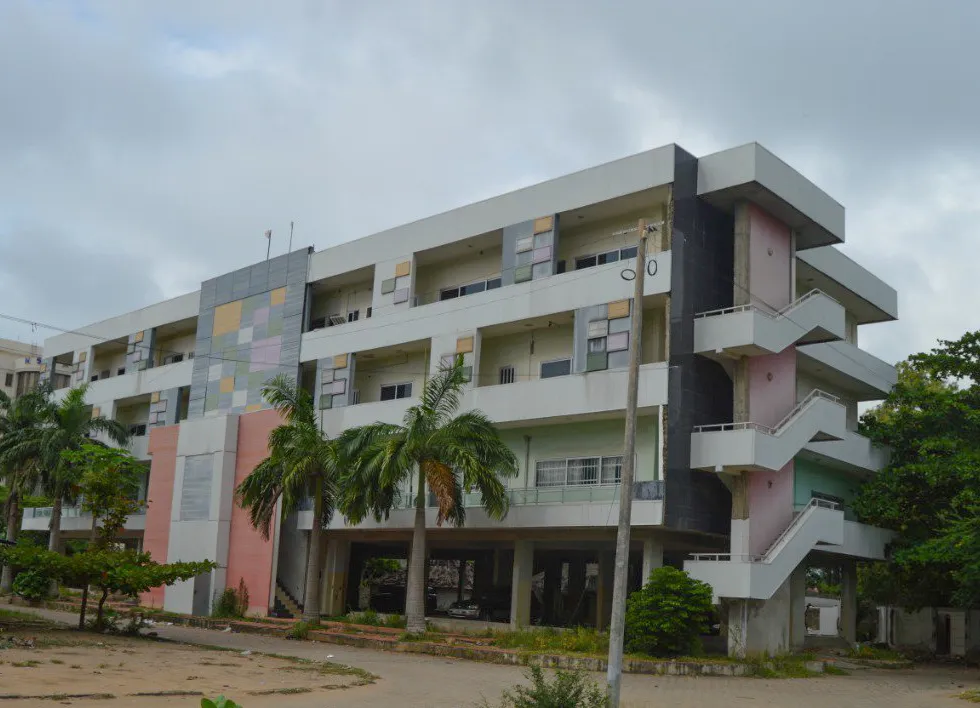
Plazza Dina Place LénineCotonou · Place Lénine
ARMAG AFRIQUE
Furnished apartments combining elegance, comfort and modern services in the heart of Place Lénine.
Price on request
Offices
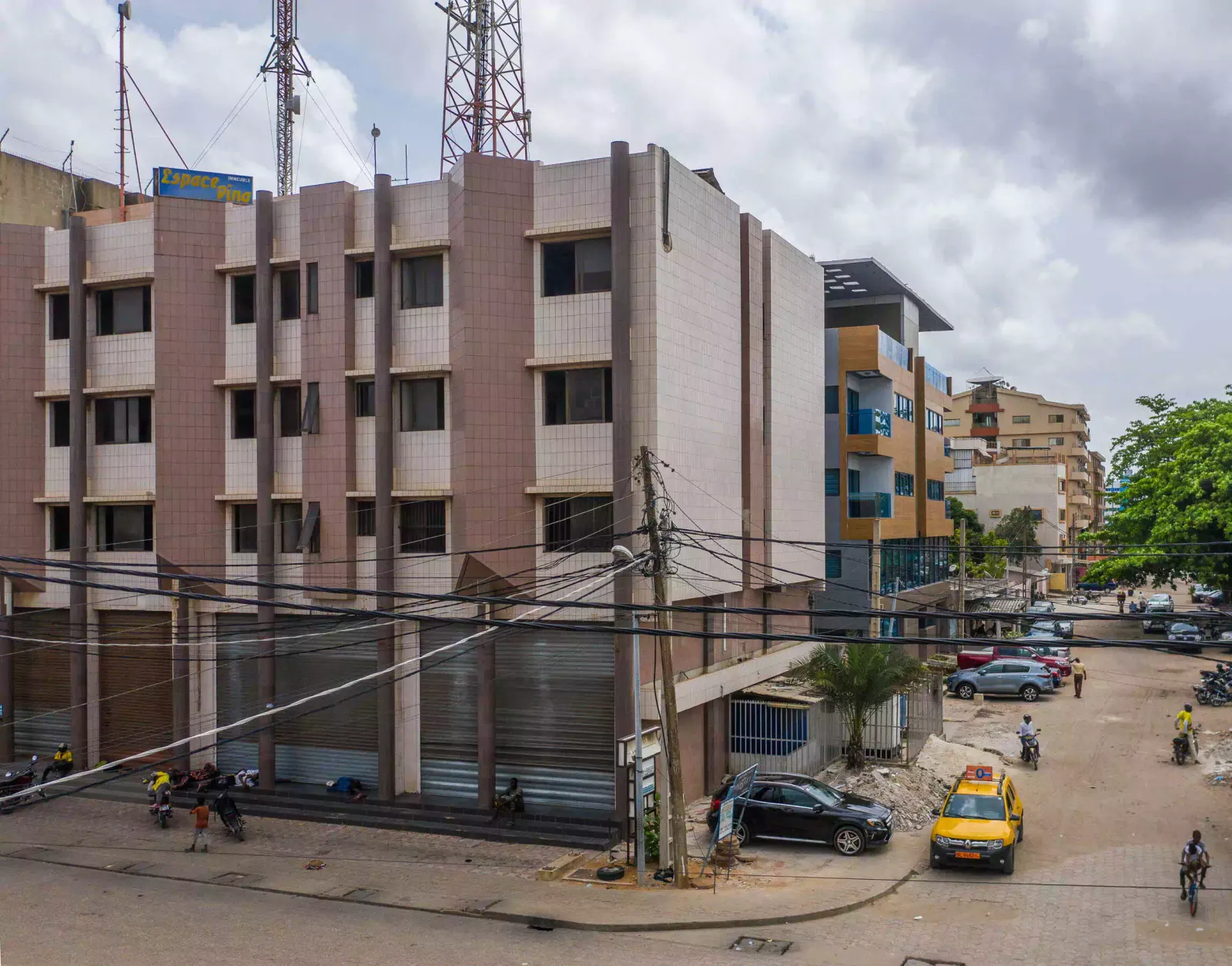
Espace Dina Hall des ArtsCotonou
ARMAG AFRIQUE
Spacious, bright interior spaces foster creativity, collaboration and occupants' well‑being.
Price on request
déjà livré
Offices
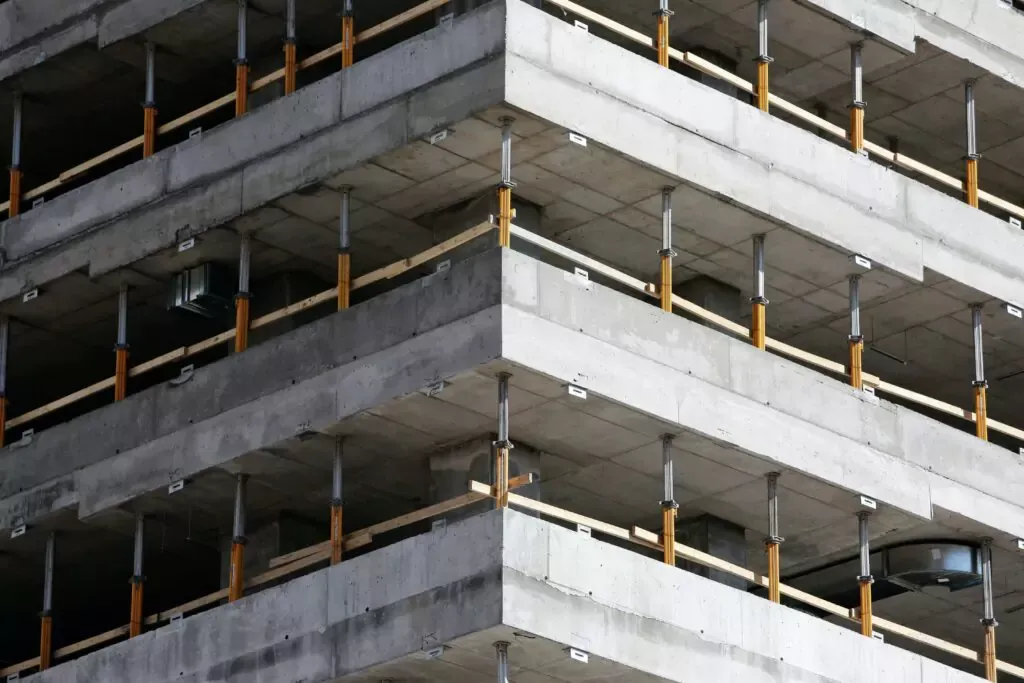
Espace Dina AvleketeCotonou · Avlekete
ARMAG AFRIQUE
Flexible, modular and customizable office spaces, with secure parking and concierge service.
Price on request
A communiquer
Offices
Espace Dina St JeanCotonou · Place de l’Etoile rouge
ARMAG AFRIQUE
Join Espace Dina St Jean, modern offices at the heart of Place de l’Étoile rouge.
Price on request
A communiquer

Residential
Viktor Residence GanhiCotonou · Ganhi
ARMAG AFRIQUE
Discover Viktor Residence Ganhi, a luxury hotel complex in Cotonou, opposite the AZALAÏ hotel.
Price on request

Offices
Espace Dina Saint MichelCotonou · Boulevard Saint Michel
ARMAG AFRIQUE
Bright, spacious areas foster creativity, collaboration and occupants' well‑being.
Price on request
Where properties are located in Cotonou
The new-build programmes referenced on Imonga for Cotonou fall into two types: residential and office. Their pages give precise address markers: Cadjèhoun, Ganhi, Boulevard Saint-Michel, Place de l'Étoile rouge, Place Lénine. Other programmes filed under Cotonou mention Agblangandan or Avlékété: ask which commune the plot actually belongs to, because the town hall and the land office in charge depend on it.
To compare with the neighbouring capital, see property listings in Porto-Novo. Buyers looking across the border can also browse property in Lomé, keeping in mind that Togolese land law is different.
Flooding: the first thing to check
In Cotonou, you view a home or a plot with the rainy season in mind. In the low-lying areas in the west of the city, such as Mènontin and Agla, the ground sits below the flood level of Lake Nokoué, which causes chronic flooding, according to the French development agency AFD. AFD is financing 40 million euros of drainage works there, within a 390 million euro stormwater programme shared with other lenders.
- Ask neighbours how high the water rises, and for how many weeks.
- Look for water marks on boundary walls, the height of the doorstep above the street, the state of the drains.
- For a plot, ask the town hall whether a main drain or a retention basin is planned nearby.
Renting in Cotonou: what Beninese law sets
The law in force is Law No. 2022-30 of 20 December 2022 on residential leases, published by the Ministry of Justice. The lease must be in writing and signed by both parties. The commission of the agent or broker (the démarcheur) is negotiable, but it cannot exceed 50% of one month's rent. For an agent who manages the unit on behalf of the landlord, the cap is 10% of the monthly rent.
The deposit (caution) is capped. Asked about high rents in Cotonou, the government spokesperson recalled that it cannot exceed three months' rent and that landlords who demand more face prosecution, as reported by La Nouvelle Tribune (23 July 2026). The same article describes what some landlords ask for on top: extra advance rent, and separate deposits for water, electricity or repainting.
Many contracts still quote the earlier Law No. 2018-12 of 2 July 2018. Before paying anything, insist on a written lease, a receipt for every sum and a written inventory of the condition of the premises. If a dispute arises, consult a lawyer registered with the Benin bar.
Buying land or a house: the titre foncier comes first
In Benin, only the titre foncier gives full ownership: it is final and cannot be challenged. This is the rule of article 112 of the land code (Law No. 2013-01 of 14 August 2013, amended in 2017), as restated by the director general of ANDF on the government's website.
| Document shown by the seller | What it establishes | Where to check it |
|---|---|---|
| Titre foncier (land title) | Full ownership | ANDF, through a notary |
| Attestation de recasement, certificat administratif | A presumption of ownership, the starting point for a title application | Town hall |
| Registered sale agreement (convention de vente) | A certain date for the transaction | Tax office |
If the property has no title, the owner applies to ANDF for confirmation of land rights. The agency states a cost of 100 000 FCFA, excluding the fees of the boundary survey carried out with the neighbours, and an estimated duration of 120 days, including 60 days of public notice at the town hall and the court. The file is lodged at ANDF headquarters in Cotonou or at the Cotonou communal land office, according to the public services catalogue.
The transfer goes through a notary: ANDF's e-Notaire platform, launched on 1 April 2020, is reserved for notaries handling land transactions. Registration duties and notary fees change: ask the notary for a written breakdown before any payment. Buyers in the diaspora should send funds to the notary's office, not to an intermediary.
Buying off-plan
Of the 8 new-build programmes referenced on Imonga in Cotonou as of 10 October 2026, 7 are under construction. Before reserving, ask for the titre foncier of the land the building stands on, the building permit and the schedule of staged payments, then have the contract reviewed by a Beninese notary.
Other cities in Benin
Real estate guide for Cotonou
Buying and renting steps, documents and pitfalls to avoid: read the guide before you decide.
FAQ: real estate in Cotonou
How many months of deposit can a landlord ask for in Cotonou?
Three months' rent at most. The Beninese government spokesperson restated this in July 2026, adding that landlords who demand more face prosecution (La Nouvelle Tribune, 23 July 2026). If you are asked for more, request the breakdown in writing and take advice from a lawyer before paying.
How much commission can an estate agent or broker charge in Benin?
The commission is negotiable, but Law No. 2022-30 of 20 December 2022 caps it at 50% of one month's rent for the person looking for a home. An agent who manages the property for the landlord cannot take more than 10% of the monthly rent. Have the amount written on a signed receipt.
Which document proves that a seller owns a plot in Cotonou?
The titre foncier (land title). In Benin it alone gives full ownership: it is final and cannot be challenged (article 112 of the land code). An attestation de recasement or a registered sale agreement only establishes a presumption or a date. Have a notary check the title before any payment.
How much does a titre foncier cost and how long does it take?
On its website, ANDF states 100 000 FCFA, excluding the fees of the boundary survey carried out with the neighbours, and an estimated 120 days, including 60 days of public notice. Survey fees depend on the plot: ask the Cotonou communal land office for the amount before lodging the file.
Which parts of Cotonou are exposed to flooding?
The French development agency AFD names the low-lying areas in the west of the city, including Mènontin and Agla, which sit below the flood level of Lake Nokoué. Other areas may be affected: no official district-by-district list was found. Ask neighbours and the town hall before renting or buying.